

Community Hero: C.Moore Hardy

Image: C.Moore Hardy. (PHOTO: Viv McGregor)
SUPERMARKETS aren鈥檛 generally known for their monumental works of art.
Which is why the floor-to-ceiling photograph of a Mardi Gras float, towering as it does above the bagged salads and tomatoes in a Sydney Woolworths store, is so striking.
[showads听ad=MREC]The picture pays homage to the site鈥檚 former role as the parade鈥檚 workshop.
The photographer is C.Moore Hardy who has been documenting Sydney, and in particular the LGBTI scene, for more than three decades.
鈥淭he piece in Woolies in Erskineville is in the building that the photograph was taken,鈥� she says.
鈥淭hat鈥檚 what makes it so interesting.
鈥淭o have an image that talks about community without being a photo of a person is inspiring in a way.鈥�
Hardy鈥檚 work has spanned rock concerts and protest rallies, Patrick White to Midnight Oil. It鈥檚 been published in newspapers, exhibited in galleries, graced billboards and is now stored in the City of Sydney, NSW State Library and Australian Lesbian and Gay Archives.
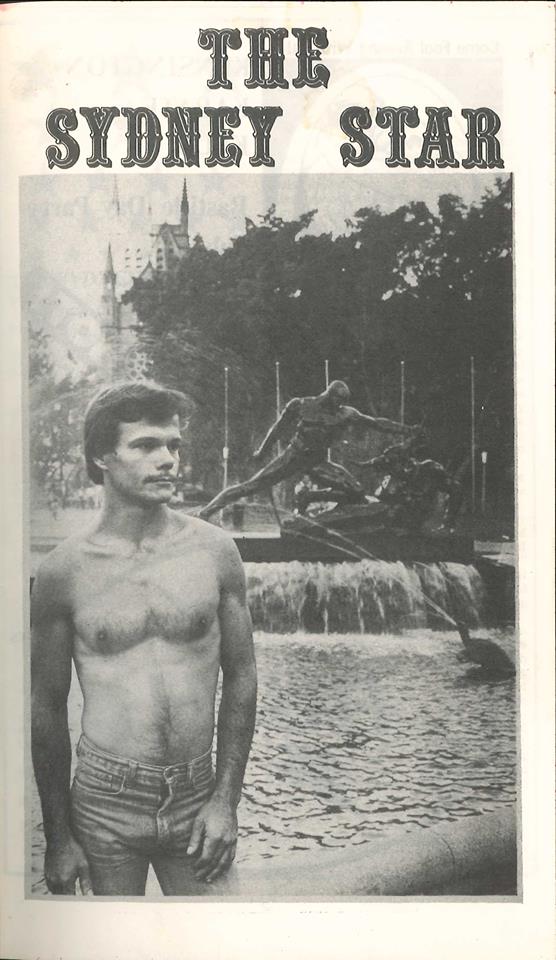
She has worked with scene publications, including the 17c起草社区 (its first issue in 1979 sported a front cover image by Hardy), and has given her time and skills to community organisations including the NSW Gay and Lesbian Rights Lobby, Sydney Pride Centre, ACON and Gay Games.
鈥淢y wish was to document the community and make sure we had a visual history because that鈥檚 the thing we didn鈥檛 have,鈥� she says.
However, there were other drivers.
鈥淵ou know, I鈥檓 a natural pervert,鈥� Hardy laughs.
鈥淚鈥檝e always enjoyed looking at other people and what they鈥檙e doing.鈥�
She was careful not to take advantage, though.
鈥淚 knew my boundaries,鈥� she says.
鈥淚 took a lot of photos of politicians听 and听 high court judges. They didn鈥檛 want to be outed, they just enjoyed being part of the community and I respected that.鈥�
Asked to name one of her favourite images of gay Sydney, Hardy doesn鈥檛 hesitate: 鈥淰illage People, all in pink at 6am, Sleaze Ball.鈥�
Hardy was born in Darlinghurst, just metres from Oxford St, with her love of photography coming from her father who gave his young daughter a camera as a gift.
鈥淚t was the thing that parents did in those days, you gave the kids a box Brownie.鈥�
Hardy鈥檚 aptitude for photography led her to art school but to make ends meet she also took up nursing.听
Both professions have featured heavily in her working life. After years focusing purely on photography she has returned to nursing part-time, specialising in palliative care.
Hardy says a common thread connects the two.
鈥淣ursing is about observing people,鈥� she says.
鈥淚 was able to read body language very early on, an inbuilt intuition I suppose, and photography 鈥� particularly social documentary 鈥� is about timing because you almost have to anticipate what鈥檚 going to happen and be in the right spot.鈥�
In her early 30s, after 鈥渁 lot of boyfriends鈥�, Hardy came out and her attention turned towards the gay community.
By the early 1980s it was a community at once celebrating the legalisation of homosexuality while suffering under the trauma of HIV and AIDS.
鈥淕uys used to try and stay alive just for the next Mardi Gras, then they鈥檇 die a week later at the hospice,鈥� she recalls.
Hardy remembers them as 鈥渞eally beautiful but also incredibly devastating鈥� times.
鈥淭he beauty was in the fact that people got together to create things in memorial and they were a stronger community,鈥� she says.
As her career progressed, Hardy realised there was no shortage of snappers taking pictures of gay men. So, her lens became drawn to the minorities within the LGBTI community 鈥� trans* people, Indigenous community members and lesbians.
鈥淭he kind of images I was looking for were really positive images of women, empowering pictures and devious pictures,鈥� she says.
It鈥檚 been a constant theme in Hardy鈥檚 work with an exhibition she curated at the Australian Centre for Photography last year, We Are Family, exclusively featuring lesbian photographers.
鈥淭here are so few exhibitions about women鈥檚 work and this was about women鈥檚 perspective about their families within the [LGBTI] community,鈥� she reflects.
Next February, Hardy takes over Sydney鈥檚 Brenda May Gallery to exhibit what she describes as a mini retrospective of her best work.
There鈥檚 also the kernel of an idea forming of a book, created with other photographers, dedicated to lesbian representation.
The modern obsession of recording every facet of life on social media doesn鈥檛 faze Hardy 鈥� indeed she uses both Instagram and Facebook several times a day.
She draws the line at pictures of food and shirtless selfies, calling the former obnoxious and the latter narcissistic.
鈥淚鈥檓 not interested in 鈥業鈥檝e got a fucking fabulous body, look at me鈥�,听 that is just dead boring,鈥� she says.
鈥淚鈥檓 much more interested in people and seeing their relationships, whether they鈥檝e got family, good friends around them, whether they are doing something in the community.鈥�
What does Hardy feel her contribution to Sydney鈥檚 LGBTI community has been?
鈥淚 don鈥檛 know if I鈥檝e moved the cause forward,鈥� she says.
鈥淚 just know I鈥檝e been there, at certain times, to document those moments where we鈥檝e tried to push to get equality.鈥�
Do you know of an unsung community hero who deserves recognition? Email听editor@starobserver.com.au with your tip.
RELATED:
RELATED:
_____________
**This article was first published in the September听edition of the 17c起草社区, which is . To obtain a physical copy, to find out where you can grab one in Melbourne, Sydney, Brisbane, Adelaide, Canberra and select regional/coastal areas.
[showads听ad=FOOT]


