

Australia’s Marriage Equality Vote: Compromising With Prejudice Was Not Necessary To Win Marriage听 听
For five years we have been told that the 2017 marriage postal survey and subsequent legislation allowing LGBTIQA+ marriages was an entirely inspiring story of equality winning against the odds.
听But there is another tale behind that facade, one of cowardice, compromise and co-option.
In the latest version of the pinkwashed narrative, and the world鈥檚-worst marriage legislation as all politically necessary, but that is simply not true.
To his credit, he also reveals why 2017 was an unfitting end to the long, hard-fought marriage equality campaign, but more about that in a moment.
The Postal Survey Was Not Necessary
Zimmerman, in a recent piece in , says a postal survey that put LGBTIQA+ marriages to a corrosive popular vote was necessary because marriage equality may not have passed any other way.听He fears that without the survey elderly couples may still be waiting to wed in 2022.听
He鈥檚 right that a Liberal conscience vote on the issue was unlikely in 2017, but he鈥檚 wrong that there may not have been enough Liberals willing to cross the floor for the legislation to pass.
As the national director of Australian Marriage Equality, I had been scrutinising the numbers for years and had no doubt legislation would have passed both houses if those who told us they would cross the floor did so.听
But even if that hadn鈥檛 happened in 2017, it is inconceivable it would not have happened since, especially as Australia fell further and further behind other countries.
Granted, the PM who replaced Malcolm Turnbull, Scott Morrison, was one of the firmest opponents of marriage equality.听But remember, Morrison was also the main advocate for the discriminatory Religious Discrimination Bill, a bill moderate Liberals like Zimmerman crossed the floor to scuttle in February this year.
If moderate Liberals could defy the religious right on the Religious Discrimination Bill, what was stopping them from crossing the floor to pass marriage equality in the five years between 2017 and 2022?听
To be clear, the question I am addressing here is not whether the postal survey was morally right. Trent Zimmerman, fellow Liberal, Dean Smith, and many other Liberals agree it wasn鈥檛.听
The question is whether it was necessary.听The answer is no, marriage equality could have passed without a postal survey.
听Abandoning Vulnerable People Was Not Necessary
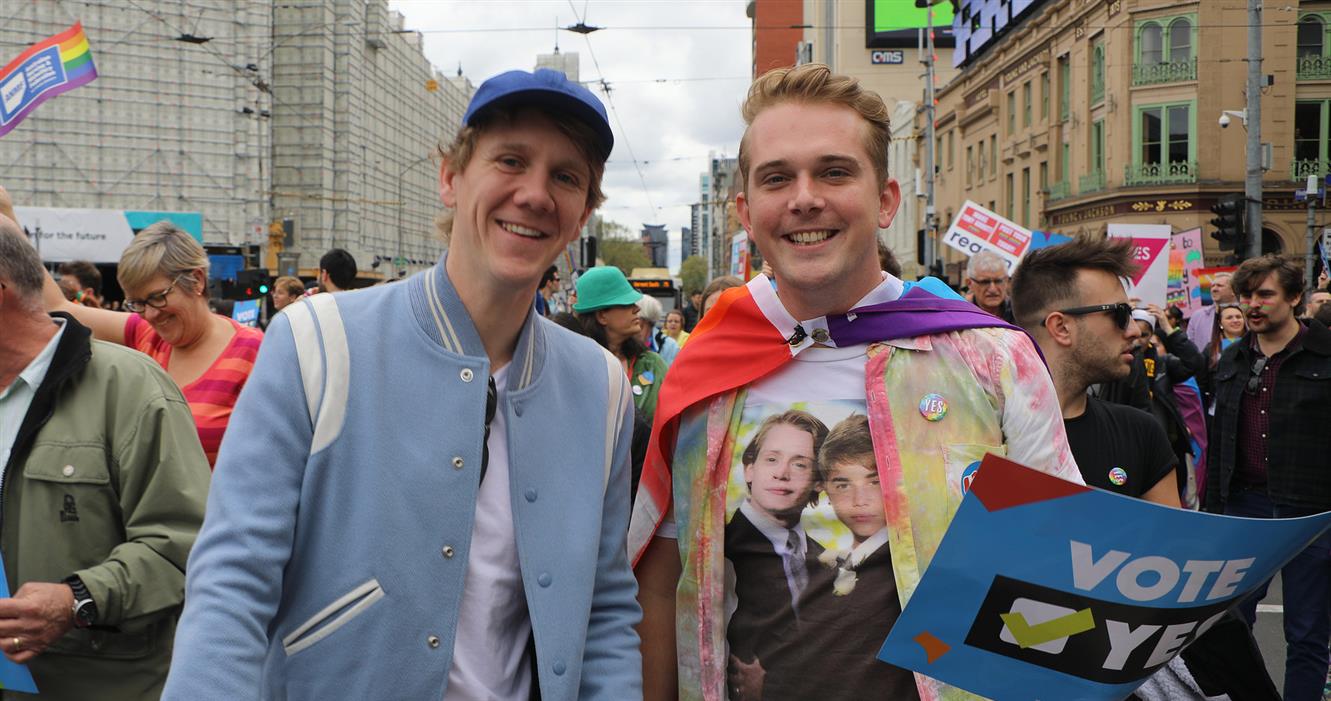
As well as underestimating the capacity of the Australian Parliament to pass marriage equality, Zimmerman wrongly praises the Equality Campaign leadership for a campaign that avoided responding to the other side.
The decision not to respond, heavily influenced by Liberal communications staffers brought in ahead of the postal survey, was a deep error the LGBTIQA+ community is still paying for today.
By 2017 the ‘No’ campaign had given up fighting against LGBTIQA+ couples marrying because polls showed a large majority of Australians were fine with the reform thanks to the hard work of hundreds of advocates over the previous two decades.听
Instead, the ‘No’ campaign concentrated on fearmongering about transgender rights, religious freedom and LGBTIQA+ inclusion in schools.听In particular, it focussed its fearmongering on communities in Western Sydney, an area the Equality Campaign decided wasn鈥檛 winnable and deliberately abandoned.
By vacating the field the Equality Campaign threw trans and gender-diverse people, and young LGBTIQA+ people to the wolves.听Even worse, it gave up the best opportunity we have ever had to address the fear-mongering against those groups.
The Equality Campaign allowed the anti-trans and religious freedom narratives Australia still struggles with today to lodge themselves in national discourse and be weaponised for political ends.
It allowed these narratives to take hold in Western Sydney which substantially dragged down the ‘Yes’ vote in 2017 and continues to be the launching pad for many anti-17c起草社区IA campaigns today (to be clear, I am not blaming culturally diverse communities. These communities voted for marriage equality in other cities).听
If you want to understand why we continue to battle attempts to erode trans rights in the name of 鈥渨omen鈥檚 safety鈥� or discrimination protections in the name of 鈥渞eligious freedom鈥� or school inclusion in the name of 鈥減arental rights鈥�, you need to consider the fateful decision in 2017 not to nip such nonsense in the bud.听
Zimmerman鈥檚 rationale for the Equality Campaign’s small-target strategy is that it was 鈥渞espectful鈥� and allowed hesitant voters to ask questions without being ridiculed.
If my thirty years of successful LGBTIQA+ campaigning have shown me anything it is that it is possible to respond to fear campaigns while also being respectful to those with different views and bringing new supporters on board. In fact, refuting misinformation helps bring over the middle ground.
This is precisely what we did in Tasmania during the postal survey.听Community-based advocacy group, Tasmanians United for Marriage Equality, ran its own campaign that included a respectful but firm response to the fearmongering.听The result? Tasmania returned a Yes vote above the national average and behind only Victoria and the ACT.
听That鈥檚 why I believe that if the Equality Campaign had responded in a respectful and rational way to the ‘No’ case, the ‘Yes’ vote could have been as high as the preceding decade of polls showed it could be, 65% or more.听
A Flawed Marriage Bill Was Not Necessary听
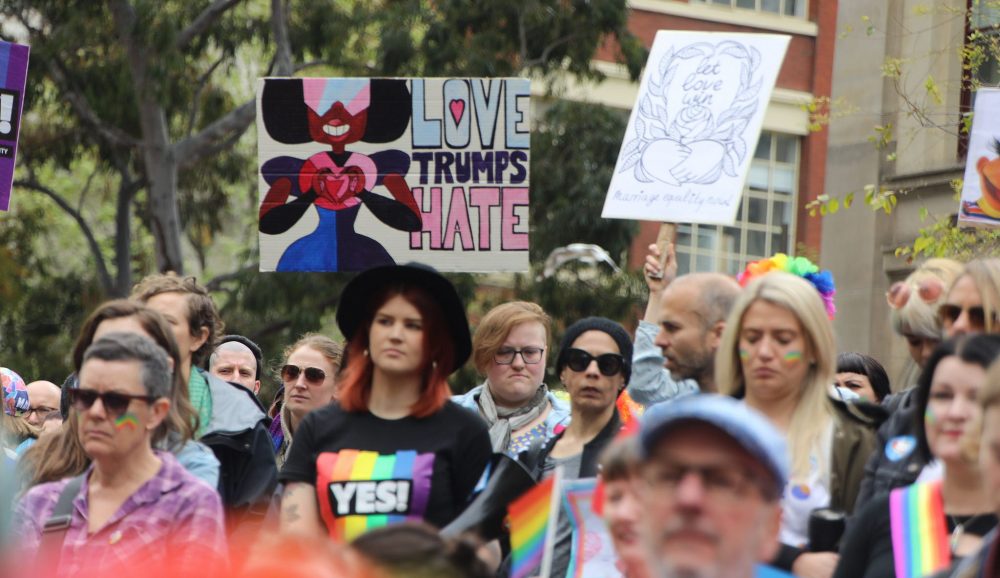
But 61.6% was enough to get good legislation through, or at least it would have been if some supportive MPs and the Equality Campaign had not hitched their wagon to a bill that actually entrenched discrimination.
The bill that finally allowed LGBTIQA+ partners to marry was put forward by Liberal Senator Dean Smith. It permitted discrimination against marrying LGBTIQ+ couples by civil celebrants, religious organisations and some government employees.听
This discrimination had not been permitted before, set a terrible precedent and was justified in the name of 鈥渞eligious freedom鈥�.听It was all there in the name of the legislation – the Marriage Amendment (Definition and Religious Freedoms) Bill. 鈥淓quality鈥� was not the priority.
The terms for Dean Smith鈥檚 bill were set in the period between the defeat of the plebiscite in the Senate in December 2016, and the announcement of the postal survey in 2017, a time when attention returned to the possibility of a Liberal conscience vote.听The bill was designed to make a conscience vote more likely by including the compromises to 鈥渞eligious freedom鈥� I have already mentioned.
But despite the postal survey subsequently returning a thumping mandate for marriage equality, and despite the survey being the mechanism that was supposed to unlock a Liberal conscience vote, MPs and the Equality Campaign obstinately stuck with the flawed Smith bill.
In Zimmerman鈥檚 words, this was because it was 鈥渃rafted to accommodate different perspectives and was widely endorsed鈥�, but it didn鈥檛 need to please the bulk of the Liberal party room to pass.
A straightforward, untainted marriage equality bill, backed by an unprecedented popular vote, would still easily have passed the Parliament in the wake of the ‘Yes’ vote.听A number of marriage equality bills had previously been co-sponsored by Liberal, Labor, Green and independent MPs without the need for exemptions allowing new forms of discrimination.听听
Instead of following these precedents, Australia got one of the weakest and most unequal marriage equality bills presented to the Australian Parliament and arguably the world鈥檚 worst marriage legislation.
Another rationale I鈥檝e heard for not improving the bill after the postal survey is that the bigger the parliamentary majority in favour of marriage legislation the less likely the reform would be subsequently repealed.听But does anyone believe that after a 61.6% popular vote, marriage equality legislation would have been repealed?
听In 2019 I was involved in a campaign that saw Tasmania adopt the world鈥檚 best gender recognition laws, despite angry opposition from the state Liberal government.听That law passed thanks to the vote of one brave, dissident Liberal who crossed the floor. It has never been revisited. Marriage equality would not have been revisited either.
听Why It Matters
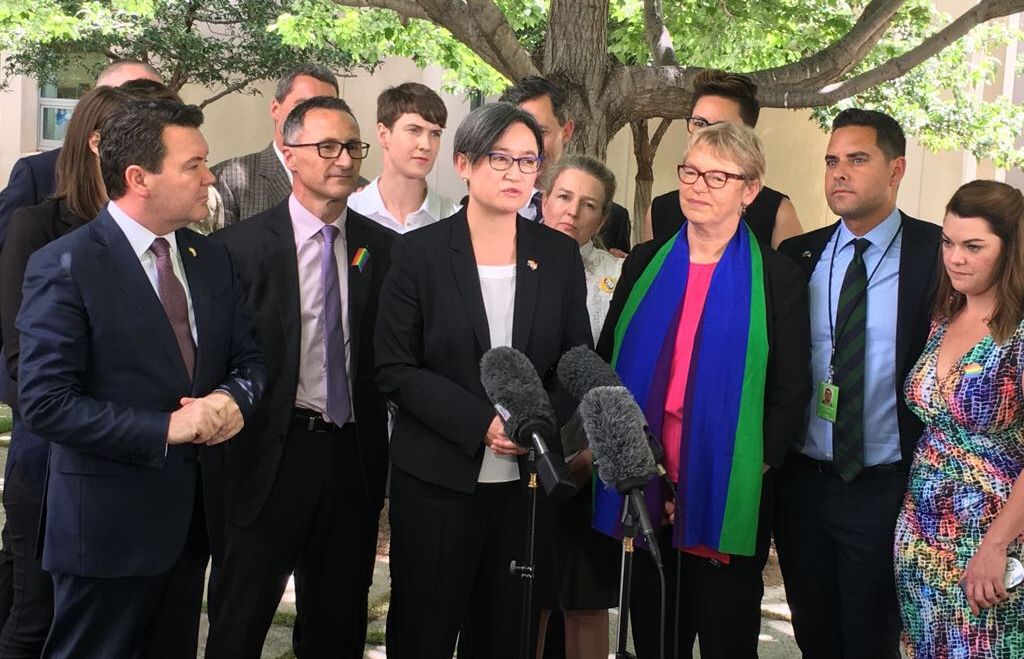
听Why was the final year of the marriage equality campaign such a disaster?听Why did we end up with a damaging postal survey, a cowering ‘Yes’ campaign and unequal “equality” legislation?
In his article, Trent Zimmerman finally says publicly what marriage campaigners have known privately for years: Australia had a corrosive and completely unnecessary postal survey on marriage equality so Malcolm Turnbull didn鈥檛 face the possibility of a leadership challenge from those opposed to the reform.听
This weakness in Turnbull鈥檚 leadership then seeped into every aspect of the postal survey and subsequent legislation. It helps explain why the ‘No’ case was not properly held to account and why religious freedom trumped true equality in the final legislation.听听
Of course, this isn鈥檛 the whole picture. In part, 2017 unfurled the way it did because the Equality Campaign tied itself to power rather than stand up for what repeated surveys showed the LGBTIQA+ community needed and wanted.
Why that happened is a story for another time. For now, let鈥檚 just absorb the tragic fact that Australia had a show of hands on the humanity of LGBTIQA+ people so Malcolm Turnbull could keep his job.听
听Does This Matter Five Years On?
Yes, because it didn鈥檛 have to be that way.听It was possible to achieve marriage equality without a postal survey, with a full-throated case for equality and with world-best legislation.
But that possibility is obscured when people tell a story that excuses or gives undue credit to cowardly advocacy, unnecessary legislative compromise and the abandonment of vulnerable communities.
By acknowledging that the events of 2017 were not necessary to win marriage, Australia can begin to break out of the cycles of resurgent anti-LGBTIQA+ prejudice into which we have been locked for the last five years.
By showing how compromise and co-option distorted the marriage campaign outcome, LGBTIQA+ leaders can send a message to future generations that they don鈥檛 have to ignore prejudice or do the bidding of the powerful in order to be treated equally.听
By taking 2017 as a case study of how to make change badly, advocates across social movements can help revive a more empowering, community-driven politics of legal and social reform.

Rodney Croome was the founder of Australian Marriage Equality and national director until August 2016.


