

Religious Discrimination Bill: Word Games Reveal Culture War Inside Australia鈥檚 Biggest Churches

Image: Image: Australian Greens
By Dr Luke Beck
The Religious Discrimination Bill plays word games to address hurt feelings rather than provide sensible protections against religious discrimination. In doing so, the bill exposes the culture war within Australia鈥檚 biggest religious groups, and runs into constitutional problems.
After the , then PM Malcolm Turnbull offered conservatives a religious freedom inquiry as a consolation prize. The inquiry found that Australia doesn鈥檛 have a religious freedom problem, but that a federal law banning discrimination on the ground of religion should be added to existing federal anti-discrimination laws.
Conservative religious leaders have hurt feelings
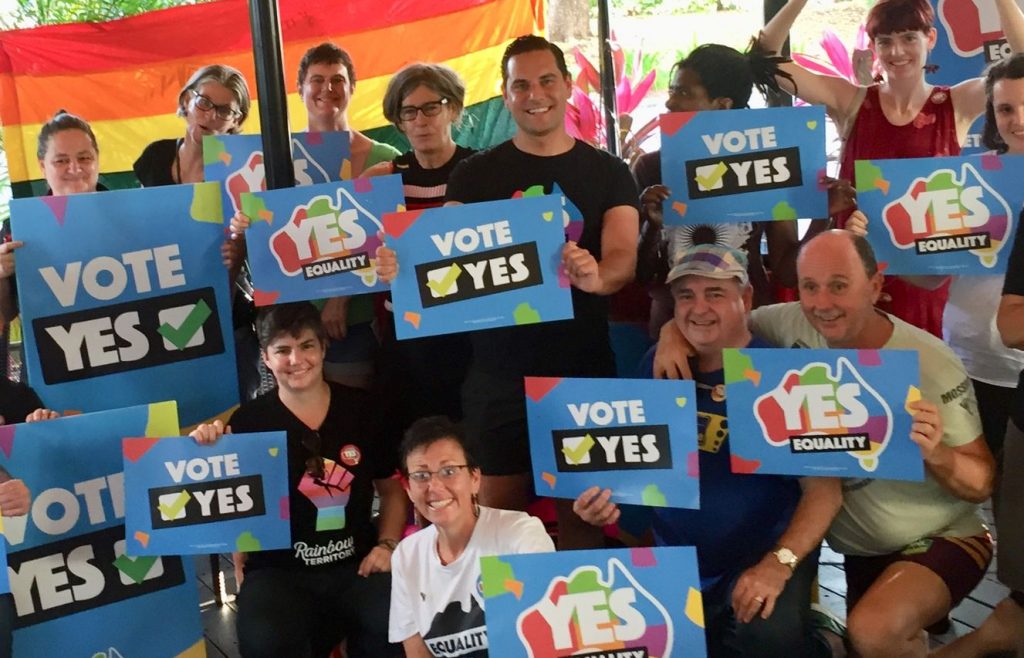
This proposal didn鈥檛 really address the concerns of conservative religious leaders. Conservative religious leaders have seen their cultural influence and social status wane in recent decades, having regularly been on the losing side of emotional political debates.
No-fault divorce. Same-sex adoption. Marriage equality. Abortion law reform. Voluntary assisted dying. Trans people updating birth certificates. Banning so-called gay conversion therapy. Conservative religious leaders are unhappy with modern Australia.
So the Religious Discrimination Bill, now in its third version, tries to do two things at once. It tries to implement anti-discrimination protections while also trying to appease hurt feelings with additional provisions that would allow more discrimination.
Changing the meaning of words to appease hurt feelings
Take the overriding of existing federal, state and territory anti-discrimination laws to allow discriminatory 鈥榮tatements of belief鈥�. The bill immunises religiously-motivated comments such as a boss telling a worker 鈥渨omen should not be in leadership roles鈥�,聽or a doctor telling a patient 鈥渄isability is a punishment for sin鈥澛爁rom legal consequences.
Rather than simply overriding state laws, the bill tries to change the definitions used in state laws. The told the parliamentary inquiry looking into the bill that the current 鈥渟ystem of exemptions gives the wrong impression鈥�.
It doesn鈥檛 feel nice to be accused of discrimination. So the bill declares that henceforth, discriminatory statements of belief 鈥渄o not constitute discrimination鈥�.

There鈥檚 a constitutional problem here. While the federal Parliament can sometimes override the operation of state laws, it cannot rewrite them. As the High Court has said:聽鈥淣or does the Parliament of the Commonwealth have power directly to control the content of a state law.鈥�
Appeasing hurt feelings is also the goal of the so-called 鈥榩referencing鈥櫬爌rovisions. These provisions say that religious bodies such as religious schools are immune from state and territory anti-discrimination laws when they 鈥榞ive preference to鈥� people of the same religion in employment decisions.
The complains that allowing discriminatory employment policies by way of 鈥榚xemptions鈥�, as is the case currently in some states, is bad 鈥渂ecause it characterises religious bodies as 鈥榙iscriminators鈥�.鈥澛燭hey say the language of preferencing is a 鈥渧irtue鈥澛爐hat 鈥渇lips the paradigm鈥�.
The preferencing provisions are very broad, and would allow discrimination/preferencing against gay people and others. The Sydney Anglicans told the inquiry that only 鈥渃elibate gay Christians鈥澛爓ould be acceptable staff members. Having gay sex means that you do not adhere to the Sydney Anglican religious 鈥榚thos鈥�, and would not be a suitable teacher.
There鈥檚 a constitutional problem here, too. The bill relies on the 鈥榚xternal affairs power鈥�, which allows Parliament to pass laws implementing treaty obligations, such as the International Covenant on Civil and Political Rights鈥� religious freedom provision.
But this bill isn鈥檛 really implementing that treaty; it鈥檚 breaking it by overriding existing human rights protections. The has explained that: “It would be contrary to 鈥� freedom of religion or belief provisions to allow one set of rights [for example, women鈥檚 rights] to be undermined on the basis of claims made in defence of the right to freedom of religion.鈥�
Australia鈥檚 biggest churches are internally divided
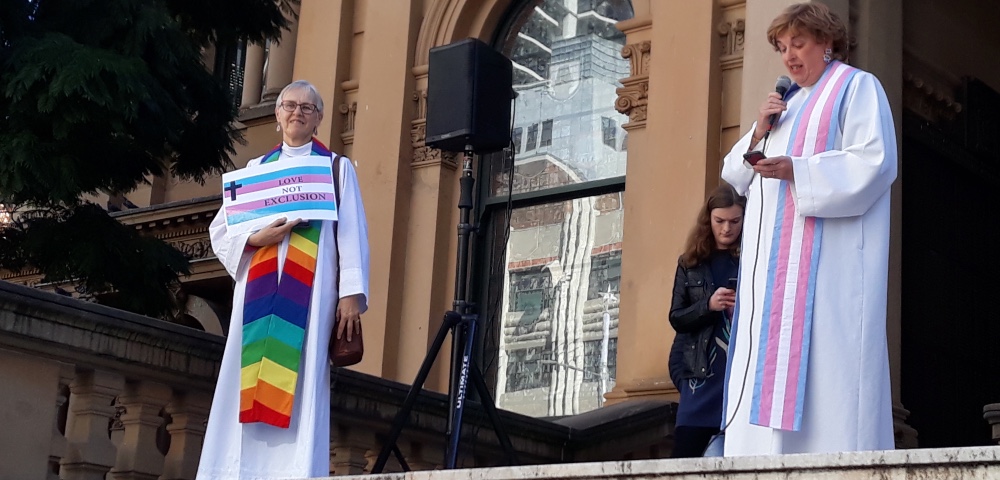
Conservative religious leaders don鈥檛 always represent the views of their members. There鈥檚 a culture war raging within the Catholic and Anglican churches 鈥撀燽y far Australia鈥檚 biggest churches.
While Catholic leaders oppose abortion rights, a majority of support abortion rights. And while some Christian leaders were at the forefront of opposing marriage equality, a majority of support marriage equality.
Conservatives and moderates within the Catholic and Anglican churches are also facing off over the Religious Discrimination Bill. The debate about the bill is a chance for each side to assert its dominance over the other.
While the conservative Sydney Anglicans support the bill, the Anglican Church鈥檚 says it 鈥渃annot support [the bill] in its current form鈥�:
鈥淲e believe the RDB still gives too much unnecessary scope and encouragement for harmful discriminatory behaviour in the name of religion in a manner that unfairly overrides other equally important human rights to be free from discrimination,鈥� the Commission wrote.
Catholics are also divided. While Catholic bishops officially support the bill, Catholic welfare agencies oppose the bill.
says the bill聽鈥渨ill exclude people from accessing essential services鈥�,聽and the says 鈥減eople will be hurt 鈥� and will have no legal remedy鈥�.
With serious constitutional defects and no consensus even among religious groups, it鈥檚 hard to see how the current Religious Discrimination Bill can proceed. It鈥檚 a recipe for ongoing community division, more discrimination, and years of expensive court cases.
Dr Luke Beck, is Associate Professor, at the聽Faculty of Law聽Monash University.聽


