

The story that should never be forgotten

Image: Candlelight AIDS Rally at the Domain.( Photo by William Yang)
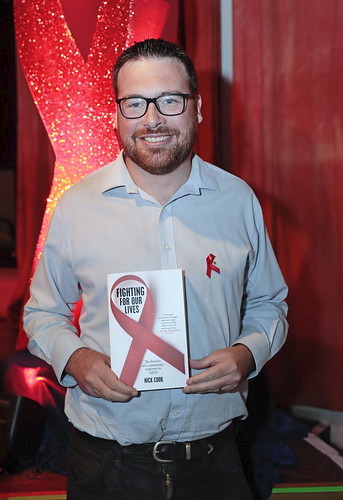
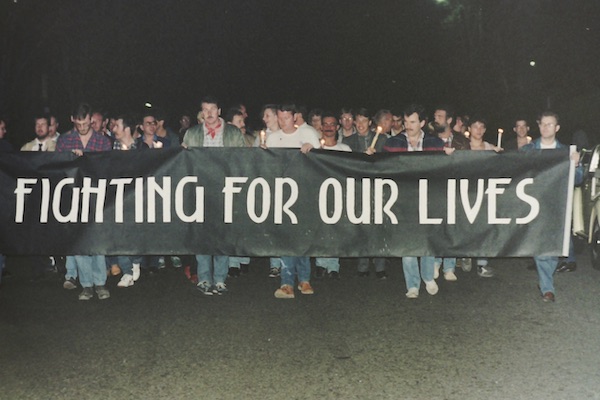
Fighting For Our Lives is a new book by Nick Cook that looks at how the Australian LGBTIQ community fought AIDS and won.
The AIDS pandemic that hit globally in the mid-1980s, is arguably one of the most devastating periods in LGBTIQ history. Yet many young people today know little about it. This sad fact is one of the things that motivated Nick Cook to write his book, Fighting For Our Lives, which examines the response to the virus in Australia, in particular, Sydney.
鈥淭he idea came to me 10 years ago when I was doing a story on the 25th anniversary of ACON. And it occurred to me that there was a great story here that hadn鈥檛 been told properly,鈥� says author and journalist, Cook. He approached ACON CEO, Nick Parkhill about writing a history on the organisation, to which Parkhill agreed.聽
A short way into his research, Cook felt the need to talk to Parkhill again.聽
鈥淭here鈥檚 a much much bigger story here that hasn鈥檛 been told at all. ACON and the community were not just part of this [the AIDS crisis], they were a crucial cornerstone that has been ignored.鈥�
As Cook got deeper into the research he started to realise that in a society that was, at least at the start of the pandemic, mostly indifferent, affected communities would need to find their own solutions. Initially, the virus took foothold in three distinct sub-groups: gay men; sex workers; and intravenous drug users.聽
鈥淎nd you could not possibly find three more stigmatised groups of people in Australian society in the 1980s鈥 mean these are absolutely loathed groups of people, these are the bottom rung of society,鈥� explains Cook. 鈥淰irtually everything these people did was illegal.鈥�
Laws against homosexuality still existed in some states and in those where it was legal, it was still not palatable among politicians. The medical world had only recently reconsidered its view that homosexuality was a mental disease. Without medical experts or government officials willing to help, marginalised affected communities had to fend for themselves.
鈥淯nionise is the wrong word, but it鈥檚 kind of along those lines. Certainly organise. 鈥榃e鈥檙e going to have to organise and we鈥檙e going to have to drag them into doing this properly鈥�,鈥� says Cook, quoting from one of the contributors to the book.聽
The聽 鈥渢hem鈥� in the quote refers to the doctors and politicians – and drag them in they did.聽
鈥淲hat made our response so incredible was that we had the politicians doing their bipartisan response; we had the medical practitioners doing what they had to do. The third element that we had in Australia so brilliantly was the community response.鈥�
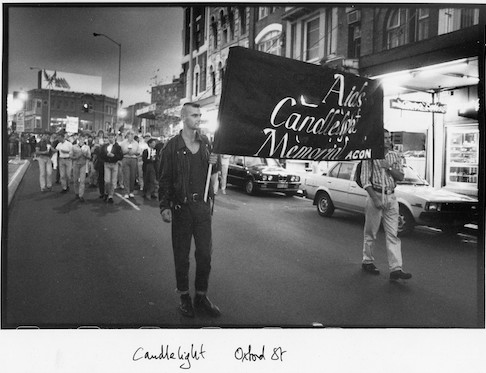
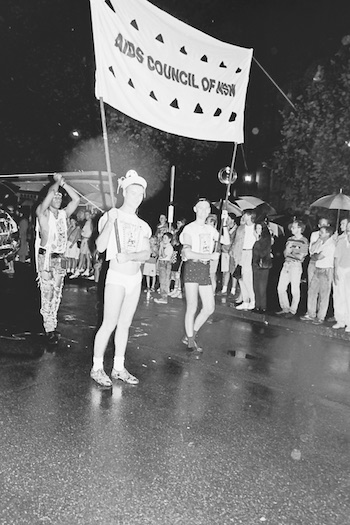
Australia was unique in the world in the way it dealt with the AIDS crisis – and it was the most effective. Sydney, in particular, was still in the wake of the original Mardi Gras protest and consequent equal rights campaigns, so the community was already organised to an extent. Cook believes that if AIDS had hit 10 years earlier, the devastation would have been much worse.聽
By extension, the affect the AIDS crisis helped shape the community. It brought everyone together.聽
鈥淪o much of what the gay community became throughout the 鈥�80s into the 鈥�90s is also because of AIDS,鈥� says Cook.
Cook was born one year before ACON was founded. Neither he nor his friends knew anything about the AIDS crisis.聽聽
鈥淥nce I started dipping my toe in this and looking at it and realising how much suffering and how much courage and how much awfulness and how much bravery – all these things, the good and the bad鈥nd also, how close it all is – it鈥檚 just over my shoulder – and it鈥檚 already been forgotten. That really bothered me.鈥�
It bothered him enough to propel him through what would prove to be a very difficult, emotionally challenging writing process.聽
鈥淚 was not prepared for it at all. I did not expect it.聽 I鈥檝e been a journalist for many years, I鈥檝e done this kind of thing for decades鈥t really changed me.鈥�
He even approached Parkhill unsure he would be able to continue, but was talked through his doubts.聽
Apart from his own emotional response, Cook found hurdles in approaching contributors and extracting stories. People鈥檚 memories differed and were tainted by their subjectivity. There was – and is – a lot of tension around the issue; arguments about decisions and actions taken at the time. The stakes were very high – literally life and death.聽
When AIDS entered the mainstream population in the late 鈥�80s, things changed. The government authorised a public information campaign that included some of the most abhorrently tone-deaf advertising. Who can forget the Grim Reaper in the bowling alley?聽
鈥淏ut the worst part was the media coverage,鈥� says Cook.聽
With gay men, sex workers, and intravenous drug users being considered culpable, the coverage was demonising.聽
鈥淭hey really fed this mass hysteria. For the media, it could not have been more perfect, I mean you鈥檝e got sex, you鈥檝e got drugs, you鈥檝e got homosexuality – you鈥檝e got death. It could not have been more made for tabloid journalism. That鈥檚 where it all started.鈥�
The message was directed at avoiding certain people, rather than adjusting certain behaviours.聽 Even within the LGBTIQ community there was a fear of 鈥渋nfected鈥� people.聽
Again, it was the community that galvanised and formulated the messaging around safe sex and clean needles.聽
Cook collected and digitised hundreds of thousands of documents, images, media clippings and other paraphernalia. He met and interviewed many people, and got to know many more by hearing and reading about them.聽
鈥淭he one thing that I found out of all of this that stunned me, is our forgotten heroes,鈥� he says.聽
Incredible people who deserve much more credit than they get.聽
His hope is that this book becomes a memoriam to them and keeps the story alive.聽
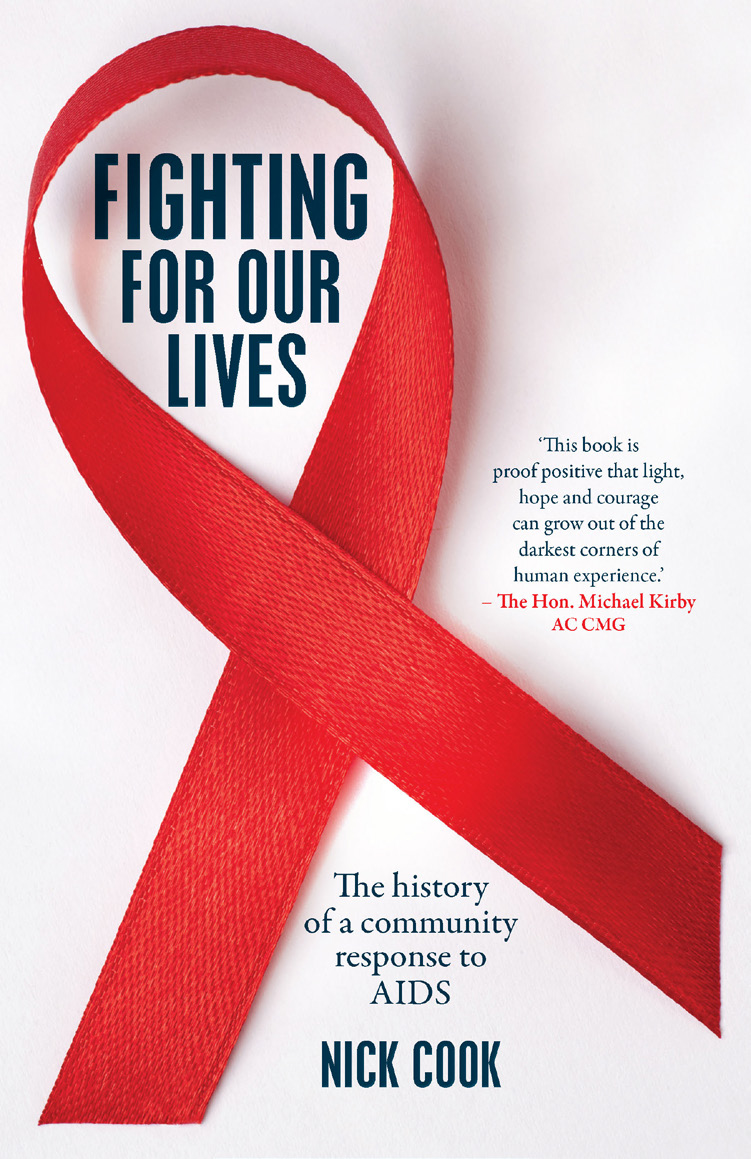
Fighting For Our Lives by Nick Cook, published by NewSouth Books in paperback.聽
Available from The Bookshop, Darlinghurst, all good bookstores, and online.聽


